
Is Your Content Strategy Costing You Members? Rethinking Content Value for Associations

SUMMARY
Most associations are sitting on a goldmine of content but accidentally hiding it from the people who need it most. In this post, we break down how to assess the real value of your content, ditch the outdated all-or-nothing gating model, and build a smarter framework that grows your audience and your membership at the same time.
Table of Contents
- The Two Questions Behind Every Piece of Content
- Four Questions to Assess Any Piece of Content
- The Models That Are No Longer Working
- Two Frameworks That Actually Work
- Do Not Overlook Member-Generated Content
- Earning Valuable AI Traffic
- Your Action List
We recently had the opportunity to present at ASAE's MMC+Tech Conference on a topic that keeps coming up in nearly every conversation we have with association clients: content value. Specifically, the question of what should be open, what should be gated, and how you actually decide.
The honest answer is that many associations are not being strategic about this. Content either lives behind a login wall by default or gets dumped out in the open with no thought given to what it might earn. Neither approach serves your members or your prospective members well.
Here is what we covered and what you can start putting to work right now.
The Two Questions Behind Every Piece of Content
Before anything else, it helps to think about content through an economic lens. There are always two parties in a content exchange.


For the content consumer, the question is: what is this worth to me? Will I visit your site for it? Give you my contact information? Pay for a membership? The answer depends entirely on what you are actually offering them.
For the content producer (which may be you, a member or a sponsor), the question is: how am I getting paid? That payment might be direct membership revenue, brand visibility, peer credibility for member contributors, or leads. Every piece of content should be earning something.
It’s important to consider both sides of the equation as you develop your access model.
Four Questions to Assess Any Piece of Content
We walk our clients through four questions for evaluating both existing and new content. Run anything through this filter before you decide how to gate it or leave it open.
1. Is this piece of content distinctive? Does it contain original research, member data, operational insights, or proprietary thinking that cannot be easily replicated or found on Google? If the answer is no, gating it is a mistake. Putting a wall around generic content does not protect member value. It destroys your credibility.
2. Would open access strengthen your search authority? If the content has real AEO (Answer Engine Optimization) value, earns backlinks, or informs industry conversations, placing it behind a login means you are invisible to the very tools and channels where new audiences are finding answers. Open access for this kind of content can create significantly more lifetime value and attract new users.
3. Are the leads you collect actually credible? Think back to the last time you gated content for lead generation. Did those leads convert? If not, the content probably was not valuable enough to justify the ask or targeted at the wrong audience. Low-quality gated content generates low-quality leads. Revisit the model.
4. Is this awareness-building content? Top-of-funnel, educational content should almost always be open. If someone is just learning who you are and what you do, putting up a form is friction they are not ready for yet. Reserve your gates for middle and bottom-of-funnel content that delivers something specific and unique.
The Models That Are No Longer Working
If you have been doing any of these things, you are not alone. But it is worth being honest about the costs.
Gated content is 64% less likely to be cited by AI tools like ChatGPT or Google's AI Overviews.
All content behind a login. Content that requires authentication is invisible to search engines and AI. New audiences can not discover you, and your authority in the space quietly erodes. According to The Rank Collective, gated content is 64% less likely to be cited by AI-generated answers from tools like ChatGPT and Google's AI Overviews. That number should get your attention.
All content treated the same. When everything is either fully open or fully gated, visitors have no way to understand what is actually valuable. The lack of differentiation flattens perceived quality and value across the board.
The dead-end experience. Click. Hit the wall. Leave. This is the most common association content journey, and it eliminates any opportunity for sampling, gradual engagement, or trust-building. There is no taste test, no ramp, no reason to stay.
Over-gating to protect member value. This is the most understandable mistake because the intention is good. But over-gating reduces leads, shrinks sponsorship value, and cuts off easier conversion opportunities that could eventually lead to membership. Modern engagement does not happen behind the wall. It happens before it.
Two Frameworks That Actually Work
Consider these two frameworks (or a hybrid of them) to unlock more value from your content.


Framework 1: Flexible Access
The content lifecycle model
This model treats content like something with a natural lifecycle rather than a permanent on/off switch. It works especially well for event content, research reports, and timely industry resources.
| Phase | Phase Name | Description |
|---|---|---|
| Phase 1 | Awareness | Content launches completely open. No login, no form. The goal here is reach, discoverability, SEO, and AI citation. You can include an optional email signup nearby, but the friction is zero. This phase might last 24 hours for a high-value event video or a few weeks for a report. |
| Phase 2 | Lead Capture | After the open-access window closes, the content moves behind a lightweight email gate. Visitors can still see the title and an introduction so they know what the content is about and understand the value before providing their email address. The key here is that the ask is an email form, not a paywall. Also state the content is available for a limited-time. This creates a sense of urgancy and encourages visitors to act before the content goes away. |
| Phase 3 | Member-Only Archive | After the email lead capture window closes, content moves into the member archive. This is where long-term access delivers real member value. The archive becomes a member benefit, not just a filing cabinet. |
A Twist to Consider. Some organizations find success with the reverse. Members receive exclusive access to new content, and after a period of time (6 months or a year), the content becomes available through an email signup or to all visitors. This approach works best when the content is very timely.
Framework 2: The Tiered Content Value Ladder
Not all content warrants the same level of access control. This model assigns content to tiers based on actual value, not format or department.
| Tier Type | Level of Access | Types of content included in access level |
|---|---|---|
| Tier 1 | Always Open | Blogs, news, short-form content, industry insights, and AEO-optimized content. This is your brand-building layer. It should be fully indexable and always accessible. |
| Tier 2 | Email Gated | Selected reports, webinars, and tools. The price tag is contact information. Make sure the content is valuable enough to justify that exchange. |
| Tier 3 | Member-Only | Benchmarking data, member-contributed templates, certification content, event recordings. This is exclusive information only available through your community. It reinforces the real value of belonging. |
The framework also applies to the economics of who produced the content and why:
- Sponsored content earns visibility, so it should be open.
- Member-data-driven research earns membership revenue, so it belongs in Tier 3.
- White papers earn leads, so Tier 2 makes sense.
Every content type has a logic if you slow down to trace it.
Do Not Overlook Member-Generated Content
This is a two-for-one opportunity we do not see associations taking full advantage of. Your members are already having these conversations. They are sharing templates in community threads, answering each other's questions, and posting about how they handle specific challenges in their work. That is valuable member content.
Ask members if they are willing to have their contributions featured on the website. Give them attribution. Help them build their professional credibility and brand. In return, you get a continuous content pipeline that is timely, relevant, and useful because your community asked for it.
This content serves double duty: it builds community and it builds your value.
Earning Valuable AI Traffic
The reality is that AI-driven discovery is reshaping how new audiences find associations. The same Rank Collective research we referenced earlier found that 64% of consumers now use AI for product discovery, but fewer than 15% of brands are structured to appear in AI-generated answers. The window to establish authority in this space is right now.
And here is the good news: AI traffic converts at five to ten times the rate of traditional search. The visitors who arrive from AI citations have higher intent, longer session durations, and lower bounce rates. Fewer visits, but significantly better visits.
To earn those citations, focus on:
Reviewing your existing content for what is already performing. Check your top-visited pages, most-used FAQs, and the questions your call center answers most often. Those are your clues for what topics AI is referencing and the content your visitors want.
Using AI to help refine your strategy. Ask AI what content should be gated, for whom, and when. Use it as a thought partner for your content planning, not just a production tool.
Optimizing your writing for AI, SEO, and accessibility together. These three overlap more than most people realize. Include a summary at the top of every piece. Use structured content and clear headers. Add FAQ sections with conversational question-and-answer formats within the context of the page. Write with definitive, authoritative language rather than keyword-heavy copy.
Building gateway pages for gated PDFs. A gated PDF is invisible to AI. If you have high-value research behind a login, build a public-facing page with a summary, key findings, and structured metadata. That page can be indexed, cited, and discovered. The PDF can still live behind the gate.
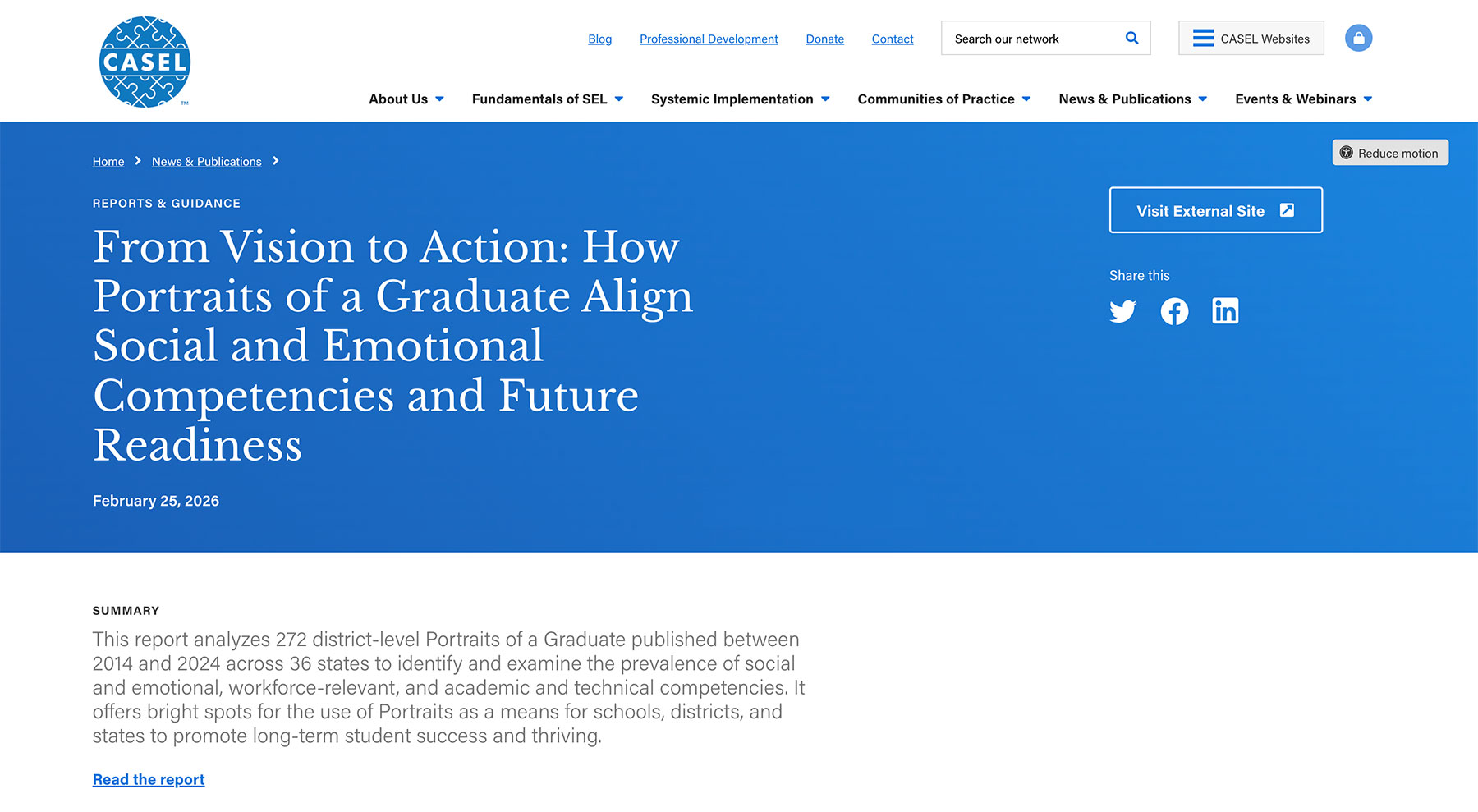
Example of a PDF Gateway page from CASEL.org
Your Action List
Take this with you when you get back to your desk.
✓ Audit your content for value, not just format or recency
✓ Assign each content stream to a tier or lifecycle phase
✓ Pick one content type and pilot a new access model, then measure it
✓ Stop over-gating content that is not distinctive enough to justify the ask
✓ Use AI for strategic insight, not just content creation
✓ Edit and write existing content with AI discoverability in mind
You do not have to overhaul everything at once. Start with one pilot. Test it, refine it, and build from there. The associations that figure this out now will have a meaningful head start in a landscape where AI-driven discovery is only going to grow.
Questions? We would love to keep the conversation going. Contact us, reach out to Emily Kodner or Janna Fiester directly, or connect with us on LinkedIn.
Emily Kodner is Vice President of Client Delivery at Sandstorm. Janna Fiester is Vice President of UX and Creative at Sandstorm.