DrupalCon 2026 Highlights: Insights on AI, Drupal Canvas, and Other Tools For Your Website

SUMMARY
This post recaps key insights from DrupalCon 2026, including major Drupal updates, the platform’s evolving approach to AI, and enhancements to Drupal Canvas that expand what teams can build and manage. It also highlights practical takeaways on performance, security, and user behavior that organizations should be thinking about now.
Table of Contents
- Drupal Is Faster, Smarter, and More Accessible Than Ever
- AI Is Coming to Your CMS, Thoughtfully
- Drupal Canvas: A New Way to Build and Edit Your Site
- What We Learned in the Sessions: Practical Takeaways
- Sandstorm at DrupalCon
- The Bottom Line
Insights from the Sandstorm team on the ground in Chicago and what it means for your website
Several members of the Sandstorm team attended DrupalCon Chicago 2026, Drupal's 25th anniversary celebration. We joined 1,300+ developers, designers, and strategists from around the world. Here's what we think matters most for the organizations we work with.
Drupal Is Faster, Smarter, and More Accessible Than Ever
The headline news from Drupal founder Dries Buytaert's keynote: Drupal is actively shedding its reputation as "complicated but powerful" in favor of simply powerful.
Drupal Core 11.3 recently launched and delivers a 50% reduction in database queries for uncached pages. Drupal CMS 2.1 launched alongside it with eleven ready-to-use site templates for nonprofits, healthcare, government, education, and more.
The strategic vision Dries laid out: "Use AI to prototype fast, then Drupal to build systems that last." Structured content, editorial workflows, and governance are what separate a serious digital platform from a flashy demo, and that's where Drupal excels.
AI Is Coming to Your CMS, Thoughtfully
The Drupal community is taking a deliberate approach to AI. It’s tools for your content team, not a replacement for editorial judgment. Key developments include:
- The Context Control Center will store your brand guidelines, content strategies, and audience personas to assist content creators in real time
- AI-assisted tasks like alt text generation, translation, and content moderation are being built directly into the editorial workflow
- Smarter search that understands intent, not just keywords — so "tuition assistance" and "financial aid" return the same results
The through-line from every AI session we attended: AI works best when it augments your team's expertise. We're applying this thinking directly to how we advise clients on what to adopt and when.
Drupal Canvas: A New Way to Build and Edit Your Site
One of the most exciting announcements from DrupalCon was the continued evolution of Drupal Canvas, a new page-building experience that closes a long-standing gap in the Drupal ecosystem.
Historically, building and customizing a Drupal site required a rare combination of frontend and backend expertise. Canvas puts meaningful control in the hands of designers, frontend developers, and even content editors without sacrificing the structured content and governance that make Drupal valuable in the first place.
A few things that stood out to us:
- Faster builds. A live demo showed a fully functional team member component built from an existing site in under eight minutes with AI assistance.
- Familiar tools. Developers can work with React components and modern frontend workflows they already know, without wrestling with Drupal-specific complexity.
- Reusable components. Build a component once and use it across landing pages, content types, and more, reducing long-term maintenance overhead.
- AI-assisted design. The vision is to support Canvas importing from Figma, replicating existing sites, and generating layouts from brand guidelines, dramatically accelerating the early stages of a project.
- More accessible page editing. Visual drag-and-drop page building means content teams can make layout changes without filing a development request. This was possible in Layout Builder but Canvas is built to deliver even more control.
Canvas is still maturing. Some advanced features like complex field types and multilingual support are on the roadmap for mid-2026. For many sites, it’s not yet ready to replace Layout Builder, but it is a promising option we can begin leveraging for simpler sites or areas within existing sites like landing pages.
What this means for you: If you've ever wished your team had more control over your site's layout and content presentation, Canvas is worth a conversation. We're actively evaluating it for client projects and happy to talk through whether it's a fit for your needs.
What We Learned in the Sessions: Practical Takeaways
Our team spread out across sessions and came back with lots of ideas and inspiration.
On AI and your users:
- Users often reach for search first. Chat is a last resort, not a front door. (We're doing a full post on this soon.)
- Transparency builds trust. Label AI interactions clearly, show sources, and set honest expectations.
On protecting your site:
- AI training bots are hammering websites with traffic, often disguised as normal visitors, and most site owners don't know it's happening. CDNs, smart caching, and Drupal-specific security modules can help.
- Proactive log monitoring is your first line of defense.
On performance:
- Unoptimized images quietly hurt your SEO, load times, and accessibility. Drupal can serve the right image for every device and connection speed, but only if it's configured correctly.
- Page speed is a search ranking factor. It's worth auditing regularly.
Sandstorm at DrupalCon
We are so proud to have had six Sandstormers present this year, contributing to the Drupal community and sharing insights:
- Accessible by Design: Building Healthcare Experiences That Work for Everyone (and AI): Janna and Cameron explore how accessibility-first design principles improve usability for all.
- Steal This Playbook: UX Lessons From Nonprofit Websites: Joanna and Janna help non-profit organizations build connections.
- Designing for Depth: Information Architecture Strategies in Large Drupal Sites: Anne shares practical strategies for managing large-scale Drupal sites.
- From Search Bars to Chatbots: Decoding User Expectations for AI Chat: Emily and Alma present Sandstorm’s own user research on AI chat bots.
You can check out the session materials here, and we’ll add the recordings when they’re available.
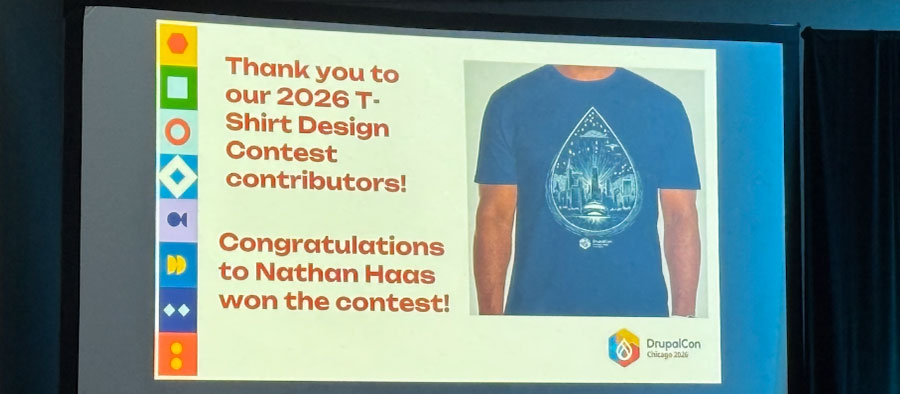
Another major moment for Sandstorm was our very own Nathan Haas winning the DrupalCon 2026 t-shirt design contest!
The Bottom Line
AI is raising the floor for what a website can be, but it's also raising the bar for what a great website requires.
Your Drupal site is well-positioned for what's ahead, and we're here to help you navigate it.
Questions about any of this? Reach out to your Sandstorm project lead or contact us here.